
Why digital security of supply is now part of the energy cluster’s strategy
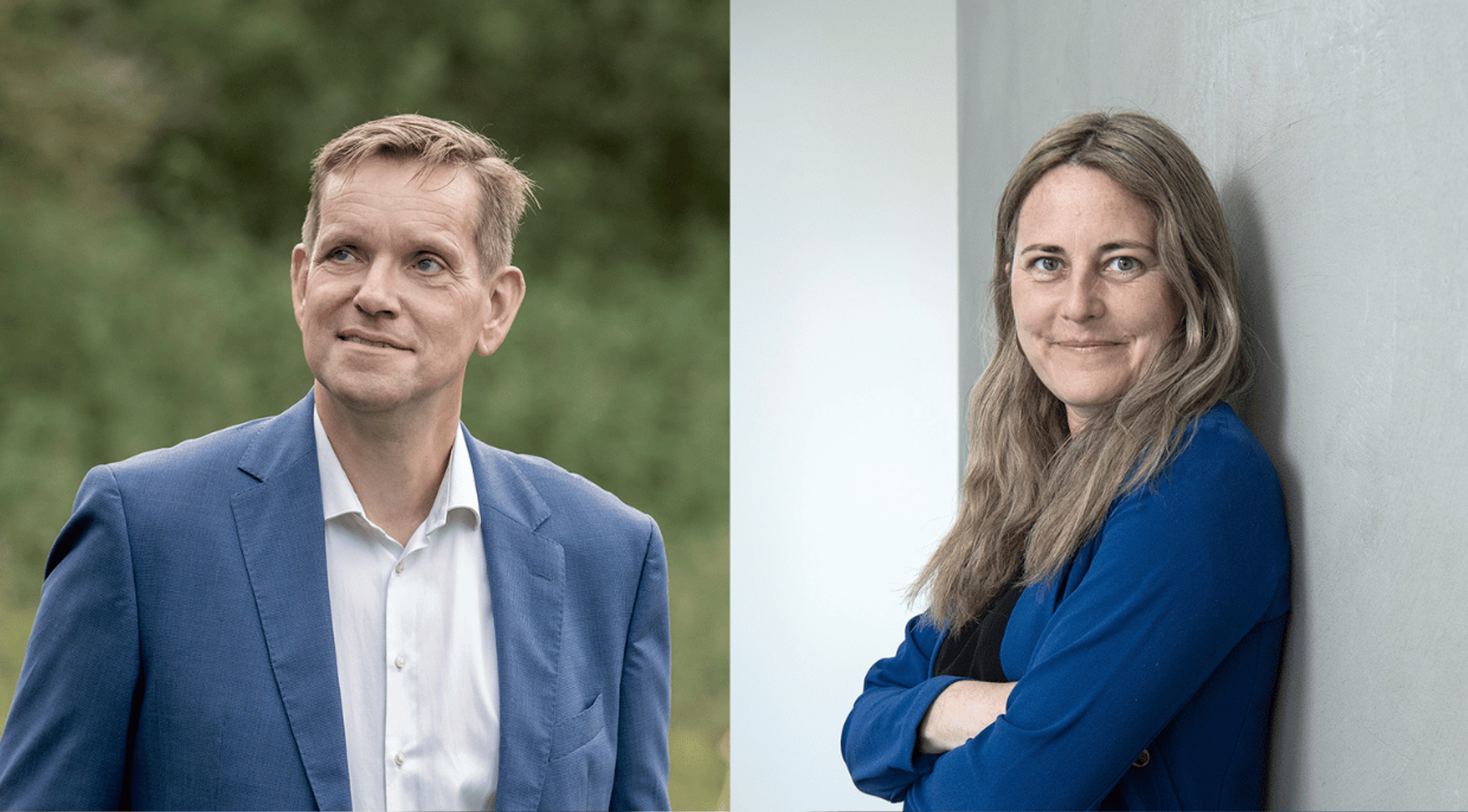
“It’s not just about building big and green. It’s about building smart, digital and secure.”
It’s a bit like the electricity grid at home. You only realise how dependent you are on it when the power goes out. The same is true of digitalisation and cybersecurity in the energy system.
It is invisible when it works, but potentially catastrophic when it fails.
So when Energy Cluster Denmark has now made digitalisation, cybersecurity and security of supply a distinct pillar of our strategy, it is not simply another nice bullet point on a PowerPoint slide. It represents a genuine shift in the way we need to develop our energy system.
The reason is simple: Without digitalisation, we cannot succeed with the green transition. And without digital security, we cannot maintain the security of supply that forms the very foundation of our society.
We are operating in a new reality. The Colonial Pipeline in the US was brought to a standstill by a cyberattack. Ukraine’s electricity supply has repeatedly been targeted by digital sabotage. Vestas and Maersk have experienced the consequences of cybercrime first-hand. These are reminders that energy infrastructure is a geopolitical target.
At the same time, EU legislation is becoming more stringent: the NIS2 and CER Directives are making cybersecurity a management responsibility and a competitive parameter. New requirements for boards and executive management teams are making their way into Danish companies. This is both positive and necessary, but also complex and resource-intensive.
Digitalisation is not just software
There is often a perception that digitalisation in the energy sector is simply about adding a new device to a wind turbine or rolling out a new software tool. But digitalisation is not a tool. It is a new way of doing business and developing the energy system.
Used correctly, digitalisation can become an alternative to physical expansion. If we can control energy consumption and shift it over time, we can make far better use of our existing grids and infrastructure.
By extracting insights from data, we can reduce waste, improve uptime and postpone major investments in cables and excavation work.
It is cheaper, greener and smarter. But it requires us to build security in from the outset. Because the more we digitalise, the more vulnerable we become if we fail to protect our systems.
Denmark as a digital frontrunner
Fortunately, Denmark has a unique position of strength. We already have a data foundation that most other countries would envy. With remotely read meters and a strong digital infrastructure, we have an opportunity to create solutions that could develop into global export successes.
We also have a trust-based society in which citizens and businesses are more willing to accept that data is shared and used, provided it is done on appropriate terms. That gives us a head start. But we cannot afford to rest on our laurels.
Right now, in fact, we are being challenged by our own success. We have become so good at building wind turbines, solar farms and district heating systems that we risk forgetting that future competitiveness also depends on our digital capabilities.
What will it take?
First and foremost, it requires focus. We need the first digital companies in the energy sector to succeed and demonstrate that data can create real value. We need more entrepreneurs willing to build new solutions on top of the data platforms we already have in Denmark.
We also need to strengthen our skills and expertise. Both businesses and educational institutions need to treat digitalisation and cybersecurity as essential competencies so that they can support even more innovation.
This is where Energy Cluster Denmark has an important role to play: driving innovation and bringing together industry, SMEs and research institutions in new innovation projects where digitalisation and security are not afterthoughts, but fundamental principles.
We are already doing this in several of the energy cluster’s innovation projects, as well as through Digital Energy Hub (DEH 2.0), which kicks off in September. Together with our partners Center Denmark and DigitalLead, we are testing concrete digital solutions in practice with a range of companies and researchers. DEH focuses not only on digitalisation, but also on security of supply and cybersecurity, because robust digital energy solutions are essential to a secure energy system. The partnership is supported by the Danish Industry Foundation.
Digitalisation and security are also central to several of our current innovation projects. The RACE project, for example, is developing a digital twin of the district heating system that can optimise operations, reduce waste and thereby improve security of supply. HeatSync demonstrates how advanced data management and automation can create a more flexible and resilient district heating system.
Two sides of the same coin
Digitalisation and security of supply are not two separate tracks. They are two sides of the same coin. We can only succeed with both if we create an energy system that is green, reliable and competitive.
We can build as many wind turbines and solar farms as we like, but if we cannot control and protect the system, we leave our energy system exposed to too much risk. Conversely, we can develop the best security in the world, but without digitalisation we will never realise the full potential of green energy.
That is why we say:
It’s not just about building big and green. It’s about building smart, digital and secure.
And Denmark has exactly what it takes to lead the way.

Sign up to our newsletter
Skibsbyggerivej 5, 3. sal.
9000 Aalborg
Navitas
Inge Lehmanns Gade 10
8000 Aarhus C
House of Offshore Innovation
Kanalen 1
6700 Esbjerg
Port House
Vendersgade 74
7000 Fredericia
BLOXHub
Bloxhub, Bryghuspladsen 8, 3. sal,
1473 København K
Energy Cluster Denmark
Nørre Havnegade 43
6400 Sønderborg
©Energy Cluster Denmark 2026