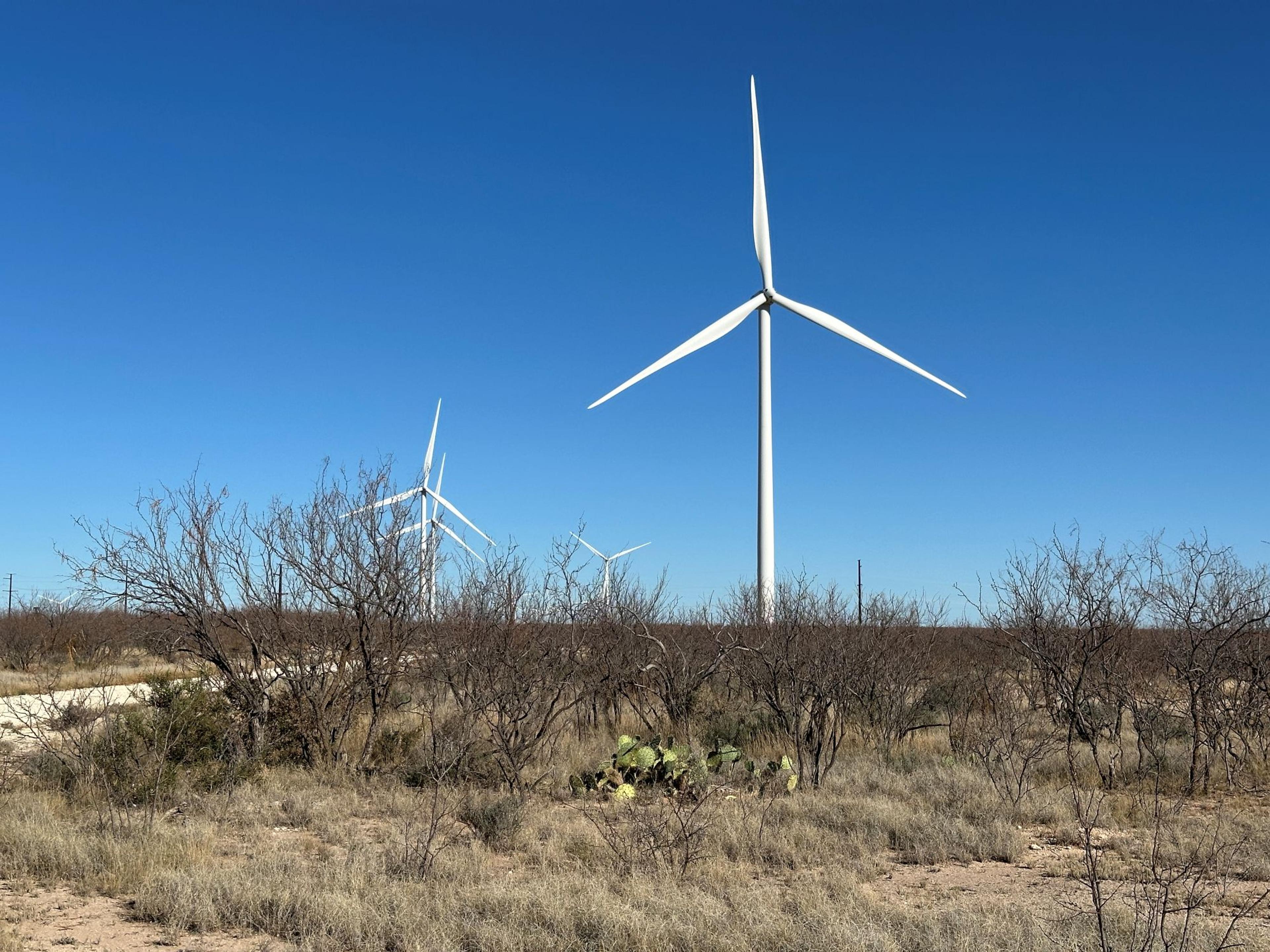
Viby Zealand, Denmark – October 2026 – Dynelectro’s 250 kW Dynamic Electrolyser Unit (DEU), equipped with G8X solid oxide stacks supplied by SolydEra, has successfully completed more than 1,000 hours of operation at Syntholene Energy’s demonstration facility in Húsavík, Iceland.
The achievement marks the successful completion of Phase One of the operating programme and represents an important step towards the commercial deployment of high-temperature solid oxide electrolysis technology.
The system was commissioned and producing hydrogen within ten days of arriving in Iceland and has since operated continuously while integrated with Syntholene’s geothermal heat infrastructure. Since first hydrogen production during Factory Acceptance Testing in Denmark, the DEU has produced more
than six tonnes of hydrogen.
At the heart of the system are SolydEra G8X solid oxide stacks, integrated by Dynelectro into its turnkey electrolyser platform.
From technology to industrial deployment
The Húsavík project brings together three complementary areas of expertise: Syntholene’s geothermal and thermal integration, SolydEra’s industrial solid oxide stack technology and Dynelectro’s system integration, power electronics and Dynamic AC:DC control technology.
Dynelectro’s patented Dynamic AC:DC technology actively manages the electrical conditions applied to the stacks with the objective of supporting stable operation and reducing degradation under dynamic operating conditions.
The combination is designed to address one of the key challenges facing high-temperature electrolysis: bringing together efficiency, durability and flexible operation in a solution capable of moving towards industrial scale.
“Húsavík proves a complete, repeat-module SOEC electrolyser platform. This is the same Dynamic Electrolyser Unit design we will scale into MW-class commercial plants and seeing it commission in days and then run without intervention is exactly the validation we need before we do that at scale.”
Sune Lilbæk, CEO, Dynelectro
For SolydEra, the installation provides an important opportunity to validate its latest G8X stack platform in a real electrolysis application.
“Husavik is an important milestone for our G8X platform, as it represents its first
deployment in electrolysis operation. SolydEra’s role in the project is to provide the solide oxide stack technology that Dynelectro integrates into its Dynamic Electrolyser Unit. The operating experience being generated in Iceland provides valuable validation for our G8X stack platform in a real industrial application.”.
Alexander Liberov, CEO SolydEra
Building the case for scalable SOEC
High-temperature solid oxide electrolysis can use steam and available process heat to reduce the amount of electricity required for hydrogen production, creating significant potential for industrial applications where heat integration is available.
The Húsavík installation provides a real-world environment enabling the electrolyser to utilize geothermal heat as part of its core energy supply, making it an ideal case for evaluation of system durability, operational flexibility and performance.
With Phase One complete, the programme has advanced to Phase Two. This stage focuses on high�load operations, including sustained runs at or near full ower, to assess the performance of the combined system consisting of the ynelectro proprietary SOEC Electrolyser system and Syntholene’s proprietary Thermal Coupling Heat Exchanger.
Further data will be collected on electrical efficiency, hydrogen production, thermal integration and system stability. Syntholene intends for the combined datasets to undergo independent third-party validation and support further engineering optimisation, techno-economic analysis and future commercial-scale projects
“This is precisely the type of operating evidence the SOEC sector needs. Moving from efficient cells to bankable industrial assets requires proven stacks, intelligent control, rapid commissioning and stable operation in a real process environment. That is what the Húsavík programme is now demonstrating.”
Sune Lilbæk, CEO, Dynelectro
The project also reflects SolydEra’s strategy of working with industrial partners and system integrators to bring its stack technology into a growing range of commercial applications.
“Projects like Húsavík reflect the way we want to bring our technology to market: working with strong partners who integrate our stack platform into their own solutions and system archi-tectures. For SolydEra, these industrial partnerships are key to expanding the deployment of our technology across different applications and markets.”
Dr. Alexander Liberov, CEO, SolydEra
Read the full release on Dynelectro's website: https://dynelectro.com/news/soec-hydrogen-production-iceland