Energy Cluster Denmark is the neutral Innovation platform for the Danish energy sector.
United for green innovation

Join our Annual Assembly 2026
Sign up for this year's Annual AssemblyEnergy Cluster Denmark helps facilitate for innovation in the energy sector, always involving partnerships between entrepreneurs, market-leading companies, and leading research and knowledge institutions.
Newest result cases
Innovation Projects
Project
Focus area
Budget
+
+
+
+
Member benefits
Energy Cluster Denmark has approximately 500 members, including companies and universities. Together, we manage an exciting portfolio of innovation projects worth over DKK 3 billion – and we hope you'll join us!
News

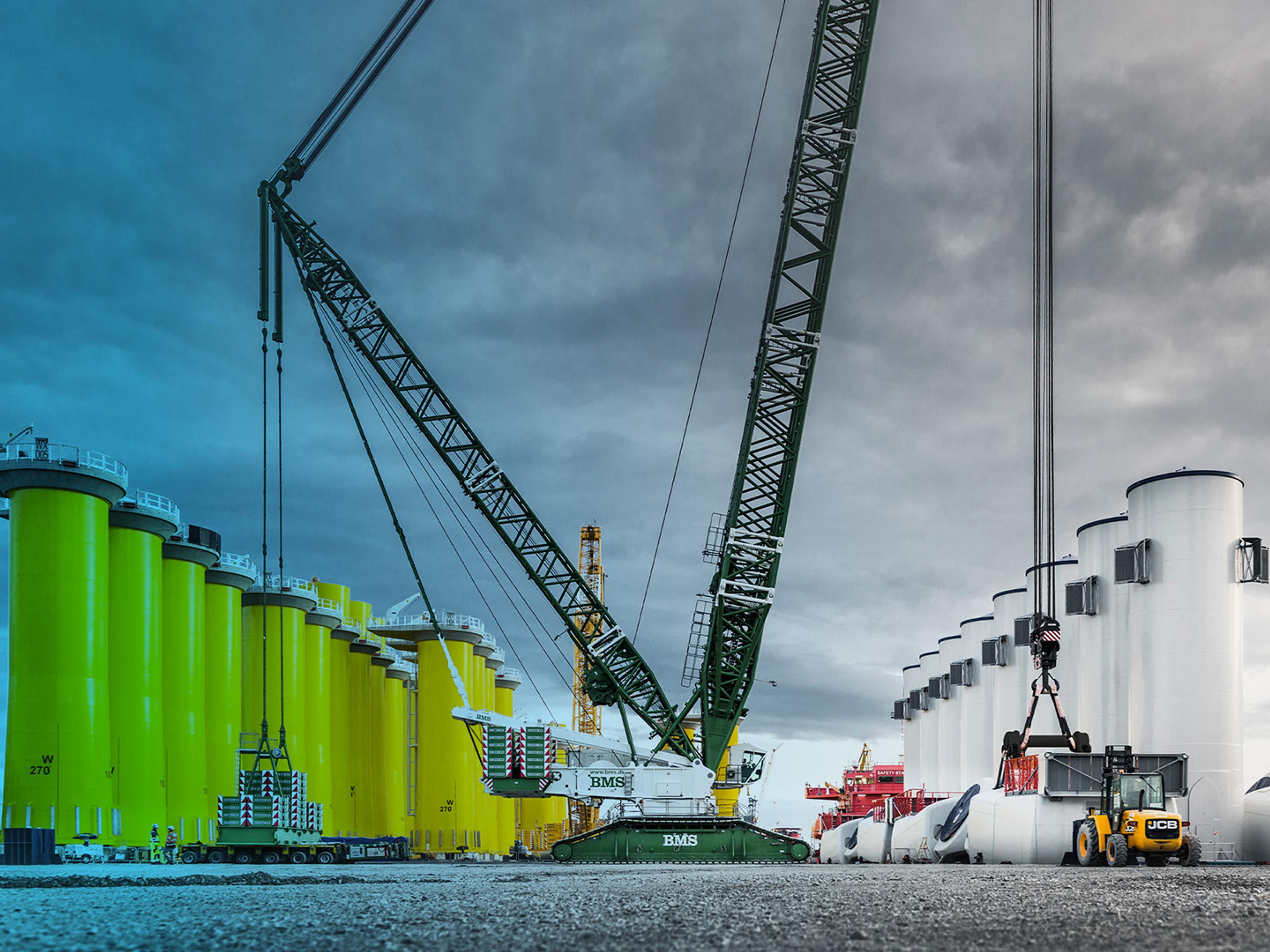
The partnership spans turbine manufacturers and project developers to vessel operators, logistics and port players, as well as specialists in lifting, rigging and engineering.
Most recently, Ørsted has joined the collaboration to help strengthen industrialization and make projects more predictable, reducing unnecessary customization, iterations and “one-offs” in the installation phase.
Launched in late 2023, WIS has already delivered tangible results. Most recently, the WIS Seafastening Design Guideline was launched as a shared step toward a more industrialized wind industry.
Ørsted: Safety and operational efficiency must be part of the standard
For Ørsted, participation in WIS is first and foremost about making industrialization operational and ensuring that shared guidelines can be applied in practice across projects, suppliers, vessels and ports.
Ørsted points out that industrialization can enable both faster execution and more robust workflows, especially in phases where projects typically spend time on rebuilds, adaptations and repeated clarifications.
“We are joining WIS because we see strong potential in making standardization more usable in practice and bringing shared solutions all the way into planning and execution. Especially around mobilization and demobilization, more uniform workflows can increase safety and support more stable progress. These are the kinds of concrete improvements we want to help deliver through this collaboration,” says Lars Valentin, Senior Program Manager, Technology Programme Management, Ørsted.
Standardization and industrialization require broad industry backup
The WIS collaboration also aligns with the ambitions in the recently announced North Sea Offshore Wind Investment Pact, where governments have committed to building 15 GW of offshore wind per year between 2031 and 2040 while working to de-risk investments.
In parallel, the wind industry has pledged to reduce offshore wind costs by 30% by 2040 compared to 2025 levels. Industrialization will be key to achieving this target. And through WIS, OEMs are working closely with the supply chain to turn that ambition into practical solutions.
The growing support for WIS is an important signal that standardization can be lifted as a shared industry task - without becoming a silo solution for individual players.
The driving forces behind WIS, Vestas and Siemens Gamesa, emphasize that broad industry anchoring is crucial to create scale and impact: the more key stakeholders work within the same framework, the easier it becomes to translate common principles into concrete improvements across projects and deliveries.
The partnership is now finalizing a Tower Transport Design, aimed at making transport and storage of wind turbine towers more consistent, from manufacturer to installation port.
At the same time, the WIS partnership is continuously identifying new sub-projects and interfaces where standardization can deliver the greatest impact ensuring standards are not just on paper, but create real value in operations and installation.
You can also subscribe to the WIS Insights newsletter to stay updated about the project.
Partners in WIS
Advantis • Blue Water Shipping • BMS Heavy Cranes • Cadeler • Cakeboxx Technologies • Certex Danmark • Dansk Gummi Industri • Enabl • Energy Cluster Denmark • Flindt Kristensen Engineering • Fred Olsen Wind Carrier • DEME • JALN Engineering • JVP Steel • Liftra • A.P Moller - Maersk • Mammoet • NorSea • Ørsted • Plarad Wagner • Grenaa Havn • Semco • Siemens Gamesa • Vestas • Vuyk

How can CO₂ be transported efficiently, safely, and cost-effectively from capture facilities to storage or utilization sites?
That is the question a consortium of researchers and companies is working to answer in a new, EUDP-supported innovation project.
Denmark and Europe will need to handle billions of tonnes of CO₂ in the coming decades to meet politically defined climate targets, but existing transport solutions are expensive, complex, and insufficient, especially for small and medium-sized emitters that are geographically dispersed. Transport is essential when CO₂ is to be transported to storage sites, for example in the North Sea, or for use in Power-to-X processes.
This is explained by Henrik O. Madsen, CEO of the company DecarbonICE, partner in the innovation project.
“Today, transporting CO₂ in liquid form requires specially built tank vessels, cryogenic ISO tanks, or pressurized trailers. These are available only in limited numbers, are extremely expensive to produce, and involve significant safety risks. That is why we need to look at new methods and that is exactly what we are doing in the CO2 Infrastructure innovation project,” says Henrik O. Madsen.
CO₂ as dry ice in containers
The technology developed in the innovation project converts CO₂ into dry ice, which can be filled into DecarbonICE’s super-insulated, patented containers.
Transport then takes place at atmospheric pressure, with no gas or liquid phase and without the need for dedicated infrastructure. This means that the entire existing global container fleet can be used, including trucks, trains, and container ships.
This will significantly reduce potential investment costs for transport and cut operating costs by up to 30 percent.
According to Dennis Jul Pedersen, CEO of Port Esbjerg, the results of the innovation project will be valuable for the entire CO₂ value chain:
“The solution from the project will have a major impact – also for us as a port. Container-based transport allows CO₂ to be shipped across Europe via the existing logistics network. At the same time, we are establishing CO₂ terminals here and at other ports for shipment to offshore storage. Overall, this strengthens both our competitiveness and the value chain, while delivering a positive climate effect,” says Dennis Jul Pedersen.
Video: Partners from the CO2.0 Infrastructure talk about the project.
The backbone of global logistics
Globally, there are 43 million shipping containers, and even a small percentage of these could transport all the CO₂ planned to be captured in the future.
“Container transport is the backbone of global logistics, which means the entire existing infrastructure can be used without modification. A single 20-foot specially insulated container can hold up to 21 tonnes of dry ice, providing a flexible, modular solution that scales with demand, from small and medium-sized emitters to large industrial players,” says Henrik O. Madsen.
Together with the project partners, he expects a concept ready for the market by 2028.
Massive market potential
According to the project partners behind CO2.0 Infrastructure, the market for CO₂ storage will be substantial.
By 2050 alone, it is expected to reach 6 billion tonnes.
For members of the Danish energy cluster, innovation projects such as CO2 Infrastructure are crucial if Denmark and Europe are to meet their climate targets.
This is stated by Glenda Napier, CEO of Energy Cluster Denmark, which facilitates the CO2 Infrastructure project.
“Demand for transport solutions follows the same trajectory as the market for CO₂ storage, but the necessary infrastructure does not exist today. That is why it is essential to develop and market concrete solutions that can optimize our value chains and create real business opportunities within carbon capture, utilization, and storage – including transport. We are pleased to be part of this innovation project, which will serve as an example of the development we need in infrastructure and in supporting progress together with our members,” says Glenda Napier.
Want to know more about the project?
The CO2 Infrastructure innovation project started in January 2026 and runs until June 2028.
It is supported by The Energy Technology Development and Demonstration Program (EUDP) with DKK 8.7 million. In addition to DecarbonICE, the partnership includes Aarhus University, Ancotrans, Cold Jet ApS, Fremsyn ApS, Greengo Energy, KIRT X THOMSEN, Maersk Container Industry A/S, Port Esbjerg, and Energy Cluster Denmark.

More than 500 members of the Danish energy cluster will soon cast their votes to select the Innovation Project of the year. All members can vote for their favorite among three candidates, which will be presented at Energy Cluster Denmark’s Annual Meeting 2026 in Aalborg on May 13. The three project candidates have been selected from a range of innovation projects that over the past year have developed and tested energy technology solutions now ready for deployment.
This is according to Glenda Napier, CEO of Energy Cluster Denmark.
“I am proud of the tremendous effort and collaboration behind the innovation projects, which each year result in new green solutions that meet the real needs of the energy industry while delivering CO₂ reductions and increased growth. Together with all our members, I look forward to announcing this year’s winner at Energy Cluster Denmark’s Annual Meeting, where we bring together the entire energy sector for discussions and presentations on green innovation,” says Glenda Napier, CEO of Energy Cluster Denmark.
The nominees are…
This year’s nominated innovation projects all focus on increasing green energy production for the benefit of both industry and the climate. The projects have followed the energy cluster’s innovation model, ensuring that good ideas are transformed into developed solutions ready for the market. The partnerships span companies and knowledge institutions, with Energy Cluster Denmark facilitating the projects and supporting administration, networking, and communication.
The nominees for Innovation Project of the year are:
FOD4Wind
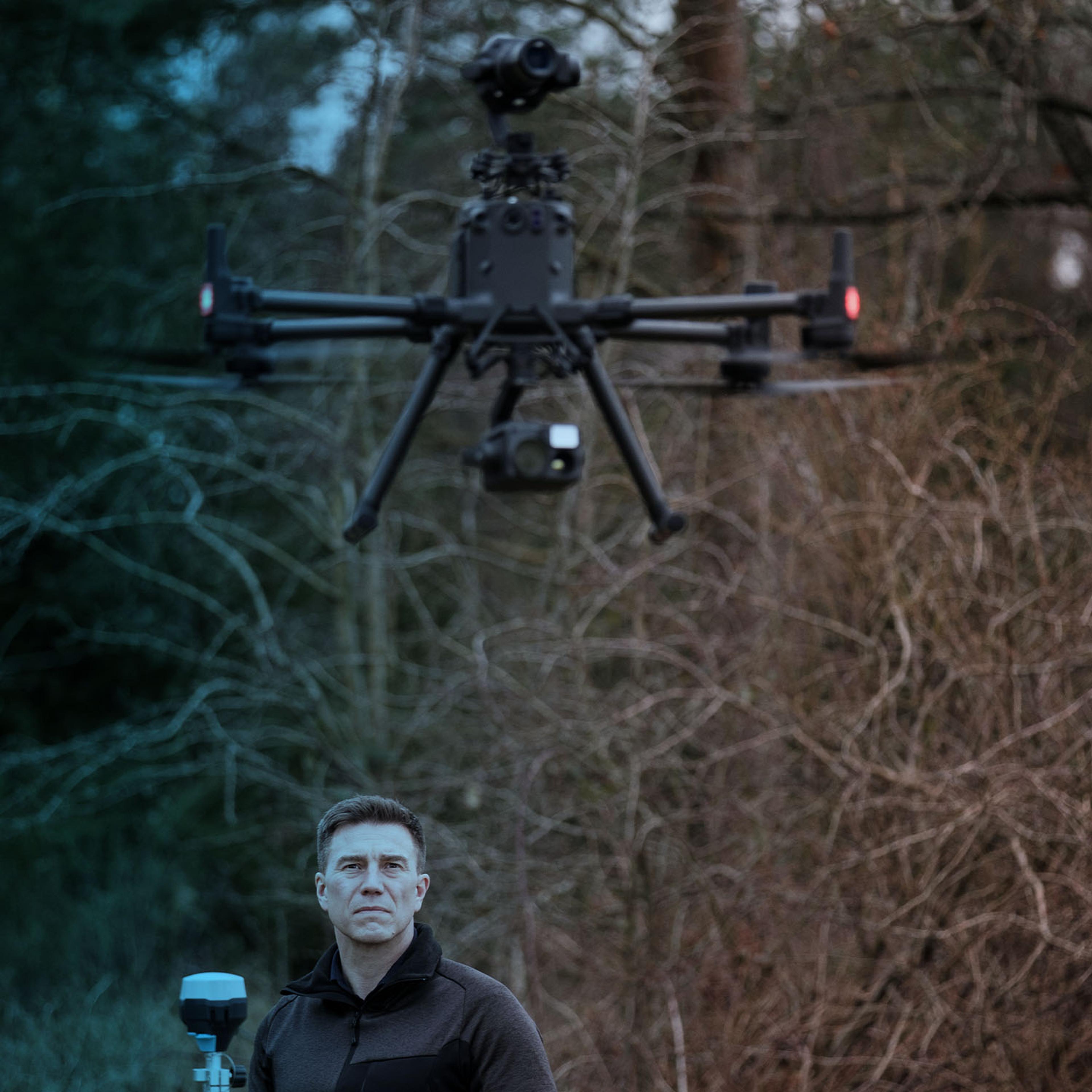
In FOD4Wind, partners developed and tested a fully autonomous drone-based solution for inspection and parcel delivery on offshore wind turbines. The drone can autonomously take off from a service vessel, deliver equipment or spare parts to an offshore wind turbine, and return to the vessel. While the turbine is already shut down for maintenance, the drone can also perform a visual inspection of blade damage.
The flexible solution reduces the need for personnel transport between vessel and turbine, leading to CO₂ reductions and significant cost savings for wind farm operators through increased efficiency. At the same time, it improves safety for crews during service and inspection tasks previously carried out using ropes and baskets.
The FOD4Wind partnership included Siemens Gamesa Renewable Energy, Upteko, Esvagt, the University of Southern Denmark, and Energy Cluster Denmark. The innovation project received support from EUDP – the Energy Technology Development and Demonstration Program.
PACMAN
Through this innovation project, partners demonstrated a new AI-based 3D platform for monitoring and assessing corrosion, such as rust, on offshore installations including wind turbines, oil and gas platforms, and substations. The solution combines 3D scanning, LiDAR technology, and artificial intelligence into a single digital tool that identifies, locates, and evaluates corrosion damage.
PACMAN has shown that digital, predictive maintenance can replace a range of manual processes and significantly reduce time consumption and costs. Concrete results include a reduction in offshore transport of up to 67%, a 100% reduction in printed documents, and up to an 85% reduction in time spent across the entire process.
PACMAN was carried out in collaboration between Semco Maritime, IPU, MM Survey, Aalborg University, and Energy Cluster Denmark. The innovation project received support from EUDP – the Energy Technology Development and Demonstration Program.
SkyClean Scale-up
In October 2024, Stiesdal inaugurated the world’s largest pyrolysis plant (20 MW) in Vrå as part of the SkyClean Scale-up innovation project. The plant uses biogas residue fibers from the Agri Energy Vrå biogas facility and produces biochar for carbon storage and green energy to replace fossil fuels. Annually, the plant can store up to 28,000 tonnes of CO₂ through biochar production and displace natural gas equivalent to 9,500 tonnes of CO₂.
Researchers from five Danish knowledge institutions have studied everything from the stability and quality of biochar to its effects in agriculture, soil ecosystems, and the climate. The research confirms that biochar produced through pyrolysis provides stable long-term carbon storage in agricultural soil, while also improving soil quality and serving as an effective alternative fertilizer.
Partners in SkyClean Scale-up included Stiesdal, Agri Energy Vrå, KK Wind Solutions, Topsoe, the Technical University of Denmark, the University of Copenhagen, Aarhus University, Roskilde University, SEGES Innovation, Food & Bio Cluster Denmark, and Energy Cluster Denmark. The innovation project received funding from the Danish Energy Agency’s Pyrolysis Fund, financed by the European Union under the NextGenerationEU initiative.
Join us when we announce the winner
The winner of Innovation Project of the year 2026 will be announced at Energy Cluster Denmarks Annual Meeting on May 13 in Aalborg. All attendees on the day can vote for their favorite among the three nominated innovation projects.
The Annual Meeting is open to anyone interested in innovation and networking in the energy sector. Members of Energy Cluster Denmark can attend free of charge.
See the full program and register for Energy Cluster Denmark’s Annual Meeting here.

The programme is open to Danish SMEs within the green energy sector that has not yet been established or sold products in India.
India represents a significant opportunity for companies in the green energy sector. It is a fast-growing economy with strong demand for innovative energy solutions and an ambitious green transition agenda.


What participating companies can expect
Participating SMEs can expect support in several areas throughout the programme:
- Market understanding and insight into the Indian energy sector and its commercial landscape and relevant context.
- Strategy development, including support in defining a focused India engagement approach. The programme material notes that this may include priorities such as partnerships, manufacturing, and sales/distribution, depending on the company’s objectives.
- Access to experts and stakeholders, including workshops and discussions with sector, legal, and regulatory experts, as well as companies already active in India.
- Tailored business meetings and partner dialogue, including 1:1 meetings with potential partners relevant to the participating company.
- A dedicated visit to India, where participants engage directly with stakeholders in-market.
- Post-programme follow-up, helping companies build on the insights, relationships, and leads generated during the process.
The training is provided by experts from the Danish Innovation Centre in India.
The deadline for applications to the programme is June 1st 2026. Apply and learn more about eligibility and criteria using the form below.
If you have any questions, please contact Jakob Falk at jfa@energycluster.dk.
The programme is part of the Green Energy Academy project funded by the Danish Energy Agency and the EMD Foundation. The project is implemented by Energy Cluster Denmark in collaboration with partners Aprendio, Energy & Climate Academy, IIT-Madras and Innovation Centre Denmark in Bangalore.
Sign up to our newsletter
Skibsbyggerivej 5, 3. sal.
9000 Aalborg
Navitas
Inge Lehmanns Gade 10
8000 Aarhus C
House of Offshore Innovation
Kanalen 1
6700 Esbjerg
Port House
Vendersgade 74
7000 Fredericia
BLOXHub
Bloxhub, Bryghuspladsen 8, 3. sal,
1473 København K
Energy Cluster Denmark
Nørre Havnegade 43
6400 Sønderborg
©Energy Cluster Denmark 2026