
Transport og industri skal omstilles til grønne brændsler: Klimakampen er vores generations månelanding
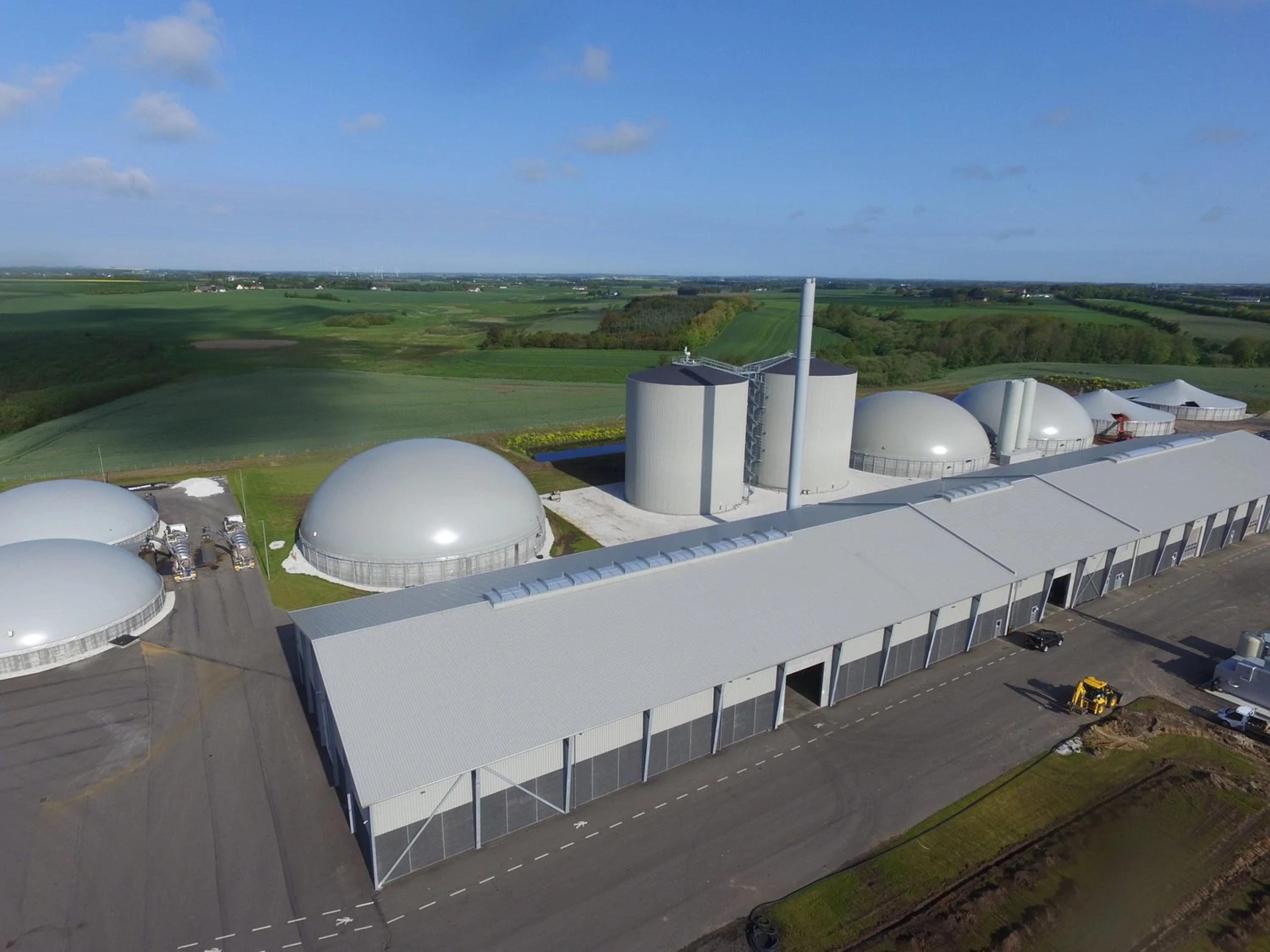
Foto: GrønGas.dk
Udviklingen af nye grønne brændsler til transport og industri er afgørende for at lykkes med den grønne omstilling. I MissionGreenFuels-partnerskabet vil man udfase fossile brændsler til skibsfart, tung vejtransport, luftfart og søfartsindustrien – allerede inden 2030.
3.200 år før Kristi fødsel bevægede egypterne sig rundt på Nilen med sejlskibe.
Nu skal de – og alle vi andre – til at gøre det igen, men med en hel del innovative mellemregninger.
For at nå i mål med den grønne omstilling skal industri og transport væk fra de fossile brændsler. Det betyder, at vi fremover skal drive vores fabrikker, transportere vores varer og flyve på charterferie ved hjælp af klimavenlig vind- eller solenergi – og gerne allerede i 2030.
Det kræver udvikling af nye energiformer, og det sker blandt andet i MissionGreenFuels-partnerskabet, hvor industri, civilsamfund og videninstitutioner ifølge bestyrelsesformand i MissionGreenFuels Søren Bjerregaard, ”forenes på en måde, jeg aldrig har set før,” som han siger:
”Når sektorerne forenes på tværs af deres ekspertiseområder om at bidrage til klimaudfordringerne, opstår der nærmest et magisk rum af samarbejde og innovation,‟ siger Søren Bjerregaard.
Kompleks mission
Omstillingen af industri og transportsektor er både en enorm omkalfatring af vores infrastruktur og et helt afgørende skridt i retning af en bæredygtig fremtid. Klimamålene kan ganske enkelt ikke nås, hvis der ikke udvikles grønne alternativer til det fossile.
Derfor betegnes missionen som ’vor tids månelanding’, og det er i høj grad filosofien bag Apolloprogrammet og Armstrongs store skridt for menneskeheden i 1969, der er baggrunden for de fire missionsdrevne forsknings- og innovationspartnerskaber, som sammen skal gøre en forskel for klimakampen og i processen skal sikre Danmarks position som innovativ leder i den grønne omstilling.
”Det er en stor og kompleks opgave, og det er netop derfor der er brug for en mission,‟ siger Søren Bjerregaard.
Volumen sikrer forretningsmodel
Bliver vi i rum-analogien, så er MissionGreenFuels platformen, hvorfra nye partnerskaber og tværgående samarbejder med aktører fra hele værdikæden kan affyres og accelerere den grønne omstilling. Den grønne missions udgave af NASA er et fælles sekretariat til fremme af Power-to-X og grønne brændsler i Danmark. Sekretariatet har base på Aalborg Universitet i samarbejde med klyngeorganisationen Energy Cluster Denmark (ECD) og Dansk Center for Energilagring (DaCES). Siden opstarten i juni 2022 har missionen sikret involvering fra +100 partnere; store og små virksomheder, universiteter og videninstitutioner/GTS’er.
Aktuelt har missionen en projektportefølje på 280 millioner kroner. Blandt projekterne er Methanol-to-Jet, som skal løfte udfordringen med at omstille luftfarten til at benytte e-kerosen (også kendt som SAF, sustainable aviation fuels) ved at udvikle en teknologi, hvor metanol konverteres til jet fuel; samt Power LBG, som skal udvikle bæredygtigt brændstof til vej- og skibstransport fra vindmøller og CO2 fra biogasanlæg.
”Denne projektportefølje markerer kun starten,” siger Carina Jensen, partnerskabsdirektør i MissionGreenFuels:
”Vi ser frem til efterårets calls, hvor vi uddeler midler til nye projekter og udvider indsatsen for den grønne omstilling,‟ siger hun.
Førende PtX-nation
Anne Marie Damgaard, direktør i DaCES, ser Power LBG-projektet som et godt eksempel på, hvordan missionerne når målet:
”Når forskning møder virkeligheden og bringes op i skala, kan vi levere volumen på bæredygtigt brændstof med et klart forretningspotentiale. Uden volumen er der ingen forretningsmodel,” siger hun.
Og der skal være en bæredygtig forretningsmodel, hvis udvikling af grønne brændstoffer til transportsektoren skal realiseres og skabe den hjørnesten i et klimaneutralt samfund, som den er tiltænkt. Det understreger Glenda Napier, CEO i Energy Cluster Denmark:
”Den innovation, som udvikles gennem MissionGreenFuels-partnerskabet, har stor indflydelse på, om vi kan realisere Danmarks ambition om at blive uafhængig af fossile brændstoffer,” siger hun:
”Problemstillingen er ikke lokal. Derfor vil de innovative, nye grønne brændsler, som udvikles i projektet, også have et betydeligt potentiale i forhold til at sikre Danmarks rolle som førende nation på PTX-området,” siger Glenda Napier.
FAKTA:
EU finansierer fire grønne partnerskaber, som samler landets bedste forskere, virksomheder og organisationer inden for områderne om fire innovationsmissioner. Udover udvikling af grønne brændstoffer til industri og transport i MissionGreenFuels gælder det lagring og anvendelse af CO2; miljøvenligt landbrug og fødevareproduktion samt en cirkulær økonomi med fokus på plast og tekstiler.
Latest news




Skibsbyggerivej 5, 3rd floor.
9000 Aalborg
Navitas
Inge Lehmanns Street 10
8000 Aarhus C
House of Offshore Innovation
Channel 1
6700 Esbjerg
Port House
Vendersgade 74
7000 Fredericia
BLOXHub
Bryghusgade 8
Entrance C, 3. sal
1473 København
Alsion
Alsion 2
6400 Sønderborg
Frederiksborgvej 399
bygning 108
4000 Roskilde
©Energy Cluster Denmark 2025