
Latest news
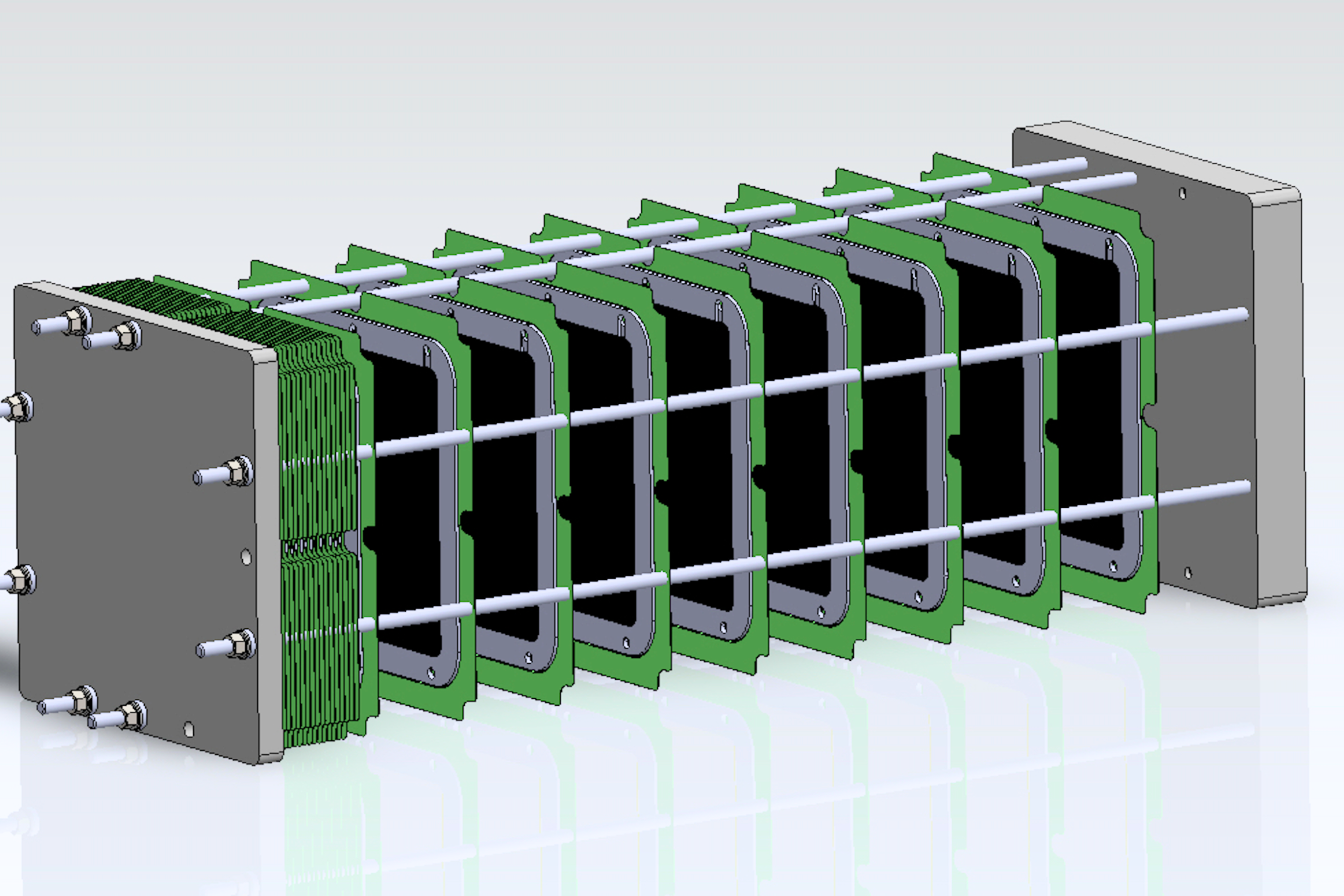 New green technology ready to scale: Reversible fuel cell moves from lab to 35 kW prototype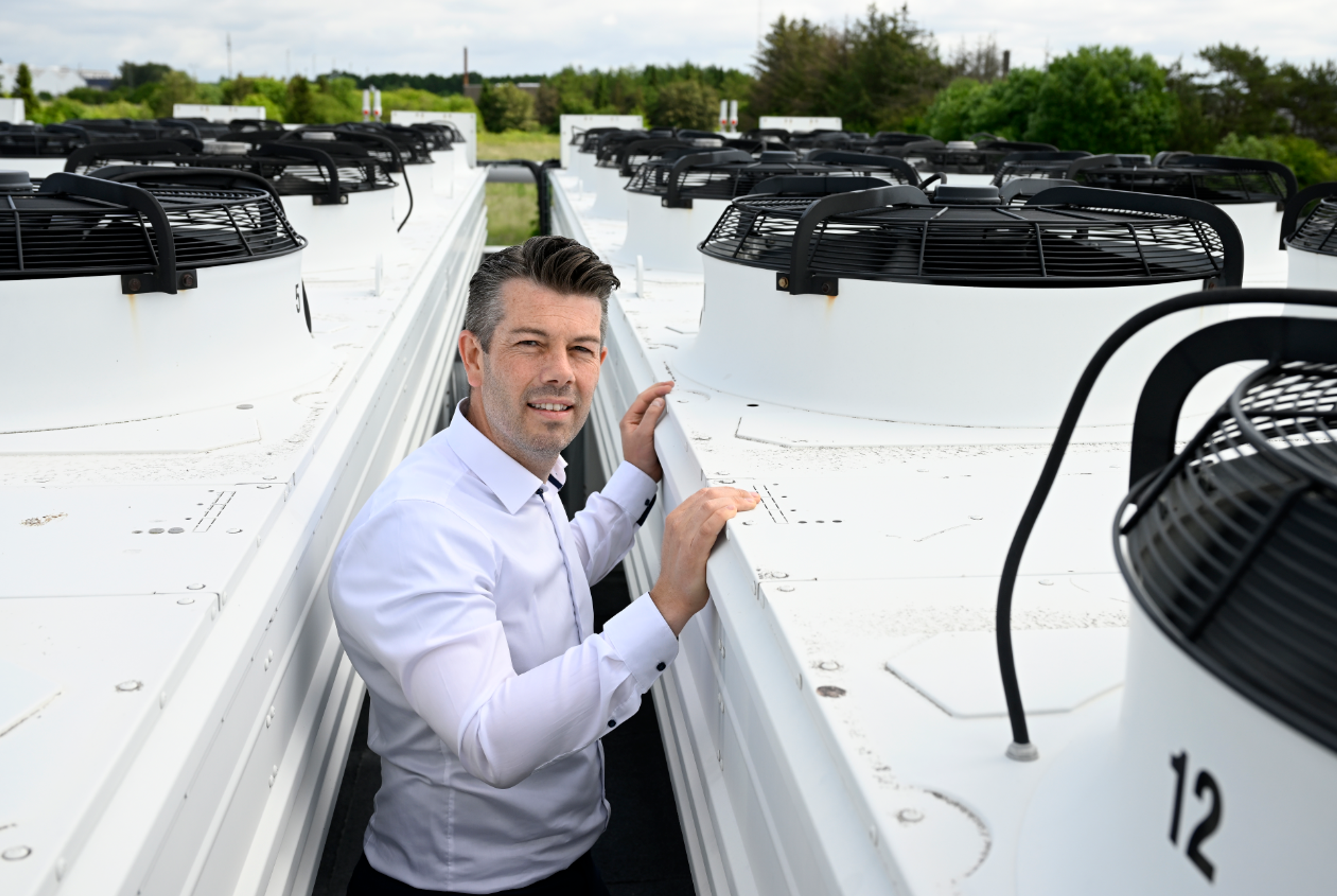


In the latest EUDP funding round, DKK 327 million was awarded to 40 projects. Energy Cluster Denmark has supported members in four of those, which together received more than DKK 143 million in funding.
“We’re incredibly pleased to help kick-start new innovation projects with our members—companies, researchers, utilities, and other players across the energy system. The projects span everything from next-generation geothermal technology to autonomous vessel systems and AI-driven energy management. It’s yet another example of how strong innovation in the Danish energy sector continues to be,” says Glenda Napier, CEO of Energy Cluster Denmark.
An overview of the four newly funded projects:
Heat4Ever: Next-generation geothermal technology
As Denmark’s largest geothermal energy project to date, Heat4Ever will demonstrate a new, efficient closed-loop well system capable of delivering stable and sustainable heat to district heating networks—independent of geological conditions.
“With support from EUDP, we’ll demonstrate a new system aimed at scaling up geothermal energy for heat production. Using our so-called DualVac technology, we’re building a closed-loop well system that only relies on the temperature of the surrounding subsurface,”
says Jørgen Peter Rasmussen, founder of Green Therma.
- Partners: Green Therma (lead), GEUS, Aalborg University, Aarhus University, Aalborg Varme, Aalborg Service, and Energy Cluster Denmark
- Total budget: DKK 123,747,519
- EUDP grant: DKK 83,772,943
ABBA USV: Autonomous offshore inspection vessels
This project will develop a sophisticated system of unmanned aerial, surface, and underwater vehicles (UxVs) for remote and autonomous inspection, maintenance, and monitoring of offshore infrastructure—with near-continuous operation and a lower environmental footprint.
- Partners: Aalborg University (lead), Energy Cluster Denmark, Trifork, SubC Partner, Tuco, Yacht Værft, Energinet, SIMAC, and SDU
- Total budget: DKK 41,015,141
- EUDP grant: DKK 28,018,026
HIPERCELL: Cost-effective electrolysis for green hydrogen
HIPERCELL aims to cut the cost of green hydrogen by developing high-efficiency electrodes and separators for pressurized alkaline electrolysis. The solution is designed for mass production and sets the stage for commercial scale-up.
- Partners: Stiesdal Hydrogen (lead), DTU Energy, Danfoss, and Energy Cluster Denmark
- Total budget: DKK 36,000,000
- EUDP grant: DKK 19,912,509
HiFLEX: AI-driven flexible energy management
HiFLEX will develop a hierarchical energy flexibility platform that aggregates flexible electricity consumption from buildings and municipal assets. AI algorithms and a shared data platform will make it possible for even small consumers to participate in electricity markets—reducing both cost and carbon footprint.
- Partners: AAU BUILD (lead), Energy Cluster Denmark, AAU Energy, Neogrid Technologies, Center Denmark, SCANGRID, and Skanderborg Municipality
- Total budget: DKK 17,351,862
- EUDP grant: DKK 11,889,207
Read more about EUDP’s full list of funded projects here (in Danish).


Skibsbyggerivej 5, 3. sal.
9000 Aalborg
Navitas
Inge Lehmanns Gade 10
8000 Aarhus C
House of Offshore Innovation
Kanalen 1
6700 Esbjerg
Port House
Vendersgade 74
7000 Fredericia
BLOXHub
Bloxhub, Bryghusgade 8, 3. sal,
1474 København K
Energy Cluster Denmark
Nørre Havnegade 43
6400 Sønderborg
©Energy Cluster Denmark 2025